
Reacting to ICONIC 90s British adverts
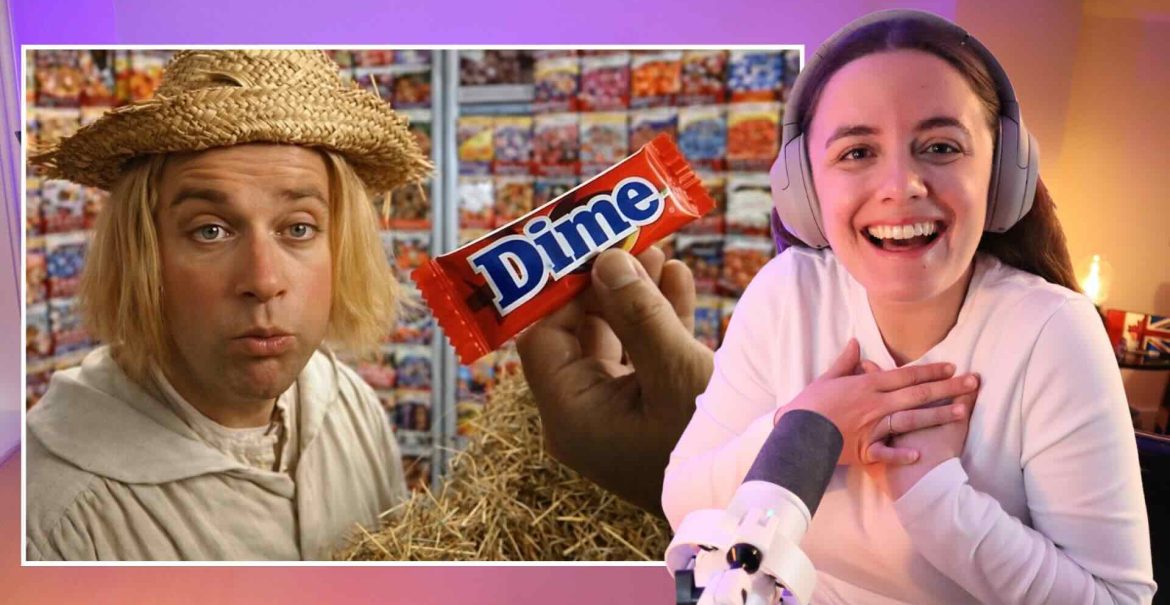
I was born in the 90s, and I wanted to know whether British adverts from that decade were anything like the ones I grew up with in North America. Watching old commercials is pretty much the only time I actually want to watch an advert, so I settled in with a compilation from BlinkerBytes.
I recognised plenty of brands, but the slogans and jingles were another matter. Gillette was familiar, including “the best a man can get”, while some of the older British comedy left me wondering whether I was missing a famous face. Then a Kleenex advert got me talking about a word I still haven’t swapped for the British version.
Watch my reaction to 90s British adverts on YouTube.
I’m still asking for a Kleenex
Living in the UK means adapting to different words, even though I already speak English. British phrases and slang seep into your language over the years, but there are a few words that haven’t changed over for me. Kleenex is one of them.
Where I grew up, you could ask for a Kleenex and mean any tissue. It’s a brand name, but I use it as the name for the thing itself. I don’t mean that I need that particular brand when I ask for one.
Jell-O is another example of a brand name people use for that type of dessert, and Q-tip is the word I’d use for a cotton bud. The little stick with the buds on the ends. I know it’s a brand, but it’s still a Q-tip to me.
The advert was British, yet that name was familiar enough to stop me and have a whole conversation about tissues. Of all the words I’ve picked up here, that one has stayed Canadian.
A house that looked like the 90s I remember
An Autoglass advert, about a family needing car glass sorted before their ferry left, felt particularly 90s to me. I noticed the house, the children, their outfits and the toys inside.
Some of the adverts looked like they came from the 90s without reminding me of much in particular, but that one had something of the decade I remember. I couldn’t quite explain it. The clothes and the lighting helped, although I was still asking whether that made sense as I tried to describe it.
I also love seeing drinks cans in these older adverts. When a Diet Pepsi advert came on, I stopped to admire the cans. I like seeing them over the years, even when the product itself is familiar.
The cereal advice I don’t miss
The Special K advert was familiar for a much less enjoyable reason. It listed Christmas food, then suggested starting a New Year diet with Special K to lose the holiday weight. That was a big thing in North America too.
I remember the 90s and early 2000s advice that if you wanted to lose weight, you should be eating Special K. How does that make sense? Hearing it again didn’t make me want to go back to that era. No thank you.
A later soft cheese advert also made a point of being low in fat, and I found myself commenting again on how obsessed we were with losing weight back then.
Knowing the brands doesn’t mean knowing the jokes
I think I’m pretty good with British pop culture, largely speaking, but I don’t always know the things from decades before I lived here. Why would I? With the Dime bar advert, I wasn’t sure whether the people were famous or whether I was simply watching a very odd chocolate advert.
Its joke compared the chocolate bar with an armadillo. The chocolate had a smooth outside and a crunchy inside, while the armadillo was meant to be the other way round. I was still wondering what I’d missed. Recognising a product doesn’t necessarily explain why a particular advert is meant to be funny.
I love a Capri Sun, although hearing the name said in its advert had me stopping to think about whether I’d ever pronounced it that way. I don’t think I have.




Francisco
One of the other adverts that I remember from the 90s is one from a holiday company making the point that they were trustworthy:
https://m.youtube.com/watch?v=rvPBaw5wxvo