
What No One Tells You About Moving to the UK
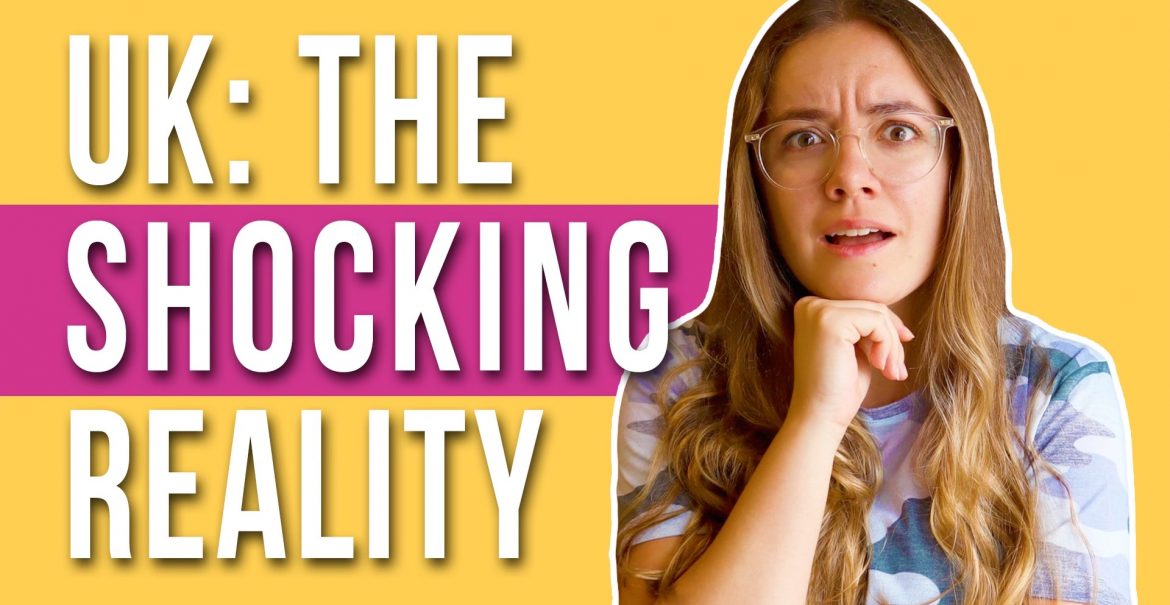
When I moved to England at 22, I wasn’t thinking very far ahead. I didn’t know where I’d be at 30, or even at 23. Moving abroad was the big goal. Approaching seven years in the UK, I was asking a different question: what next? There were practical things I hadn’t expected when I arrived, but there were also questions about who I’d become and where I wanted my life to go.
Feeling somewhere in the middle
My identity had changed. I wasn’t the same Canadian I’d been before moving to England, but I wasn’t British or English either. I felt like something in the middle, and that could be strange and unbalancing. I couldn’t go back to the person I’d been before the move. Living abroad had brought a whole lot of internal conversation about what that meant.
It wasn’t all down to the country I lived in. Time had passed too. I’d arrived at 22 and was no longer 22, thank goodness. I’d got older while making videos, which was a weird experience in itself. My identity had changed alongside that, so I couldn’t separate moving to England from everything else that had happened as I grew older.
I didn’t think there was a neat way to fix that feeling. My approach was to go with the flow and try to see the change as an exciting experience rather than a terrifying ordeal. Change could be good and still be a little scary. This wasn’t something I’d thought about properly before I moved, but it had become part of living here.
The questions after getting settled
The longer-term question was a bit of a doozy. Moving abroad could be exciting, new, scary and a big accomplishment. But once I’d done it, I was left wondering what I should do next. As that seventh anniversary approached, I was starting to think about what I wanted beyond the original goal of moving to England.
I thought I might like to have a family and potentially children someday, if that was possible. Would I do that in England? Would I move back to Canada to start a family? I didn’t know. Those were heavy questions, but I thought they were important ones to ask rather than assuming that getting settled had answered everything.
I didn’t know where I’d be in two years or ten. I did think it was worth asking myself what I wanted, whether that meant talking with a partner, thinking alone or writing in a journal. Nobody else could answer the question of where I wanted my life to go. I hadn’t worked it out, but I thought I should spend some time thinking about it.
Not everybody would be pleased I was here
Another less cheerful part of the experience was realising that not everybody wanted me here. I’d met wonderfully kind, supportive people who would do anything they could to help me. Those people absolutely existed. So did the people who told me to go back to where I’d come from, and I didn’t want to pretend that part didn’t happen.
I received those comments on YouTube, in direct messages and by email. I’d also been told it in person. There had been conversations about immigrants ruining the country while I was there thinking, hey, that’s me. This is awkward. It wasn’t only something I saw online, even though my comments were one place where people could see examples of it.
An email telling me to leave wasn’t going to send me back to Canada. I didn’t know that person, and I wasn’t going to let their opinion decide where I lived. If I found the UK wasn’t for me and chose to go home, that would be okay too. The important part for me was making that decision myself.
Moving abroad had been wonderful, but it had more to it than travelling and neat Instagram photos. The changed identity, the questions about my future and the less welcoming encounters were part of it as well. I wanted to be upfront about the whole experience, including the things I hadn’t known to think about before I arrived.



No Comments