
What the real cost of living in England?

When I shared my cost breakdown in April 2021, I wanted to talk about my own life in Kent. I got asked about living costs all the time, but many of the videos I saw focused on London, where I didn’t live. My figures were for the things I paid for and the way my partner and I shared expenses. They were a snapshot of my costs then.
Some of that snapshot was rent and bills. Some of it was Chinese takeaway, coffee and trips to the cinema, because I liked budgeting for the things I enjoyed as well. Food got a particularly generous allowance. I loved eating, trying new things and cooking, even though I wasn’t very good at the cooking part.
The flat and the regular bills
Our rent was £1,100 per calendar month, split between two people, which made my share £550. It was quite a small property, but it had a back garden, off-road parking and an area I thought was wonderful. The rent figure belonged to that particular flat, with those things included.
Unlimited internet was £30 a month between us, or £15 for me, and I used plenty of it. Water was about £40 for the household, so £20 each, while electricity was about £60, or £30 each. I also listed council tax at £110 between us, making my share about £55. Council tax was something I hadn’t known about before living here.
The TV licence worked out at about £6.60 each per month in my breakdown. My mobile was different from a contract that included paying for a handset: I’d bought my iPhone outright and topped it up through Three for £10 a month. I liked that arrangement, although remembering to do the top-up manually was annoying. If I forgot, it ran out and I was left relying on Wi-Fi.
Getting around had changed over time
I’d used both a car and public transport in England. Earlier, I’d bought a monthly bus ticket for a particular area that got me to work and the gym. Trying to remember the price, I hesitated between £71 and £70, then used £70 in the breakdown. It let me make multiple journeys and transfers within that area. A train journey would have needed a separate ticket.
I thought that had been pretty good for getting around my area, and the bus pass was the transport figure I’d chosen to include in this breakdown.
I wanted money for food
I’d put down £250 per person per month for groceries, which felt a bit embarrassing to admit. I knew it was a lot, but I deliberately left room in my food budget to buy unusual things and plenty of food. We mainly got our groceries from Ocado, which I loved, then went to Tesco when we’d forgotten something or needed a top-up.
Takeaway was separate from that. I put down £75 a month for three Chinese orders between the two of us, making my half £37.50. I loved Chinese takeaway and budgeted for it because it made me happy. It was one of the extras in the breakdown, alongside the things I paid for around the home.
I’d also had a Cineworld Unlimited card before the cinema closures. I remembered the annual-payment option working out at about £16.50 a month. Working from home, I found a cinema visit a nice way to break up the week, and I was likely to see enough films for the card to make sense for me.
Coffee and a pint counted too
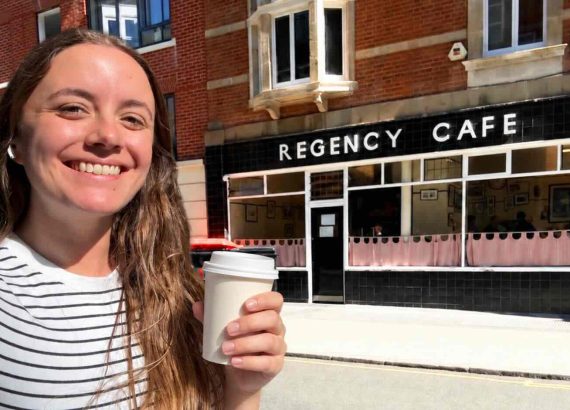
Recently, while filming in Rochester, I’d bought a huge iced latte that I thought cost £2.80. It was so good. I’d also bought flat whites from a small independent place for around £2.30. I tried to choose independent cafes when I could, and I was happy to budget a little extra to support them.
The pub had a place in my budget as well. I’d been to places charging anything from £3 to £4.50 for a pint, so there wasn’t one price I could give for everywhere. I preferred a smaller independent pub over Wetherspoons, even if it cost more. Rent and bills were part of the breakdown, but so were those choices about where I wanted to spend my money.
Watch my original video about the personal costs I shared for life in Kent.



No Comments