
Foreigner Reacts to Guy Fawkes Night

Bonfire Night was a surprise when I moved to England. I hadn’t heard of it before, and nearly eight years later I realised I still didn’t understand much of its history. I’d celebrated it, but knowing there would be fire or fireworks wasn’t the same as knowing how it had started.
I’d been to Leeds Castle for fireworks one year, which was fun, and I’d lived in a village that had a giant bonfire without fireworks. For this video, I watched other creators’ explanations of Guy Fawkes Night and footage of the celebration in Lewes. That last part looked very different from the Bonfire Nights I’d known.
The story behind the fifth of November
The basic history is grim. UK Parliament’s account describes a group of Catholic conspirators planning to blow up King James I and Parliament at its ceremonial opening in 1605. They rented an undercroft beneath the House of Lords and stored thirty-six barrels of gunpowder there, with Guy Fawkes watching over them. The planned opening was on 5 November.
The plot failed, and Parliament’s account of the aftermath explains that the Thanksgiving Act of 1606 made annual services and sermons commemorating it part of the calendar. So the original commemoration marked the plot’s failure. That was the background I was learning about while watching the history videos, rather than something I already understood when I moved here.
I knew Guy Fawkes’s name because people called it Guy Fawkes Night, but I hadn’t known the other conspirators’ names. Seeing them in the explanation made me realise how little of the story I’d picked up. The religious conflict behind it was another part I hadn’t really understood. This wasn’t history I’d learnt in detail at school back home.
A tradition does not have to mean the same thing to everyone
One explanation suggested that the celebration had gradually become about honouring a rebel who stood up to the establishment. That was the part I questioned. From the British people I knew and the impression I’d got, Bonfire Night seemed much more about a fun tradition with family, friends or the community than taking a side between the government and Guy Fawkes.
I compared it with my own Christmas. I wasn’t religious, but I loved decorating the tree, making things cosy and giving people presents. The religious message wasn’t why I celebrated. That made it easier for me to understand how somebody might enjoy Bonfire Night without celebrating either the government surviving or the man who tried to overthrow it. That was my impression, though, and I wanted to hear what it meant to other people.
The effigies were still a surprise. An effigy is a representation of a person, and the idea of making a fake body to set alight seemed wild to me. I’d heard about that custom after moving here, but I hadn’t personally seen somebody do it. I could enjoy the tradition and still find that part strange.
Lewes took the theatrics much further
Lewes kept appearing when I looked for footage of bigger celebrations. I wasn’t sure how to pronounce it and had to look it up on a map. I’d thought it might be up north, then discovered where it actually was. The video I watched was BristowBonfire’s footage of Lewes Bonfire in 2019. I was watching somebody else’s recording, not attending the event.
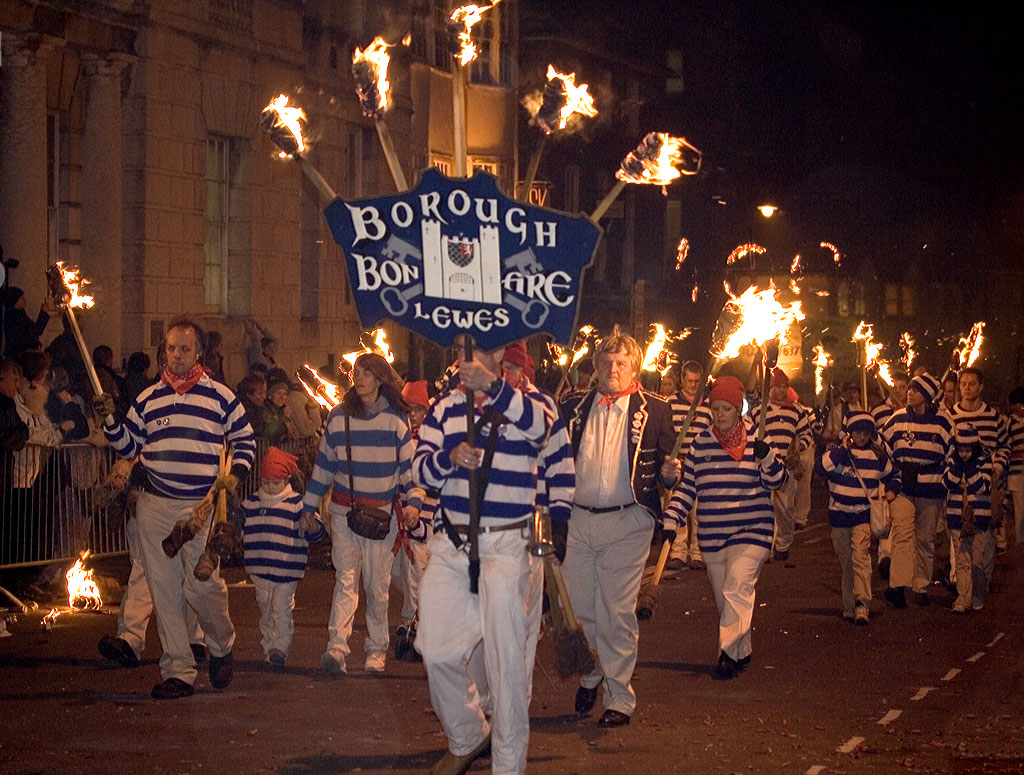
The amount of effort looked incredible. There were costumes and people carrying fire down the street, and some of it looked quite scary. Fireworks were familiar to me. The procession was what interested me most because I hadn’t seen anything like it, and I thought carrying fire through the street would be thrilling.
I appreciated that people kept putting the work into celebrations like this. Planning, volunteers, time and money were all involved, and I knew the history behind these traditions wasn’t all good. My own family didn’t have anything this old that we celebrated. Watching the footage made me appreciate the effort while still wanting to know more about what Bonfire Night meant to the people taking part.



No Comments