
Baking Britain’s most offensive dessert

I can’t bake, but that had never stopped me before. This time I was attempting spotted dick for the first time, complete with an inappropriate name and rather a lot of currants.
I wasn’t working from a useful memory
I’d only had spotted dick once before, years earlier, in one of those little supermarket pots you put in the microwave. I couldn’t remember what it had tasted like or what it had looked like. That wasn’t much help when trying to make my own, but I had a recipe and was going to try my best. Hopefully my landlord had fire insurance.
The first job was simmering the currants, which I was already describing as horrible. One of my problems with traditional British desserts was the sheer number of currants and raisins involved. I simmered these in water and left them to rest, then buttered the pudding dish.
Preparing the lid brought another discovery. I hadn’t realised I was going to steam the pudding. The recipe had me dealing with foil and parchment paper, with a fold pinched into the middle, and I wasn’t convinced I was doing it properly. This was the point when the cold sweat started. I didn’t even want to look at my attempt for very long.
A bowl of flour and some unfamiliar pellets
The mixture started with self-raising flour, sugar and salt. I managed to get some sugar on the counter, a fun little surprise for later, and decided not to bother measuring the tiny amount of salt very carefully. Then came shredded suet. I’d had to Google what it looked like before going to Tesco, because I didn’t think I’d have any chance of finding it otherwise.
The packet described it as shredded beef suet for dumplings, pastries, puddings and pies. What came out looked like little rabbit pellets, which was not what I’d expected. I added it to the mixture along with lemon zest, working away at a very tired-looking lemon, and then milk. At that point I had a lumpy mess. I drained the currants, mixed them in and still couldn’t have told you whether the result looked as it should.
Getting it into the pudding dish took a bit of encouragement. Then I returned to my strange foil-and-paper contraption and tied string around it so I could get the dish out of the pot later. I put something in the bottom of the pot to keep the dish from touching the bottom or moving around too much, and set about steaming it for an hour and a half. Time to say your prayers.
It looked wet, but it wasn’t a disaster
After the wait, I let the very hot dish sit for a little while before investigating. There was homemade custard ready too, and I absolutely had not made that myself. I wasn’t going to take credit for it. I wanted to see the pudding, but because of the way it had cooked, I still didn’t know what I was about to find.
It looked a little wet, spongy and warm, but not terrible. The currants almost looked like chocolate chips if you glanced quickly, which would have been delicious. Unfortunately, they were still currants. I didn’t have individual little pudding pots, so I took a big chunk from the larger dish and tried some on its own first. It wasn’t terrible either. The lemon zest helped, giving it a citrusy taste, even though the currants weren’t my favourite.
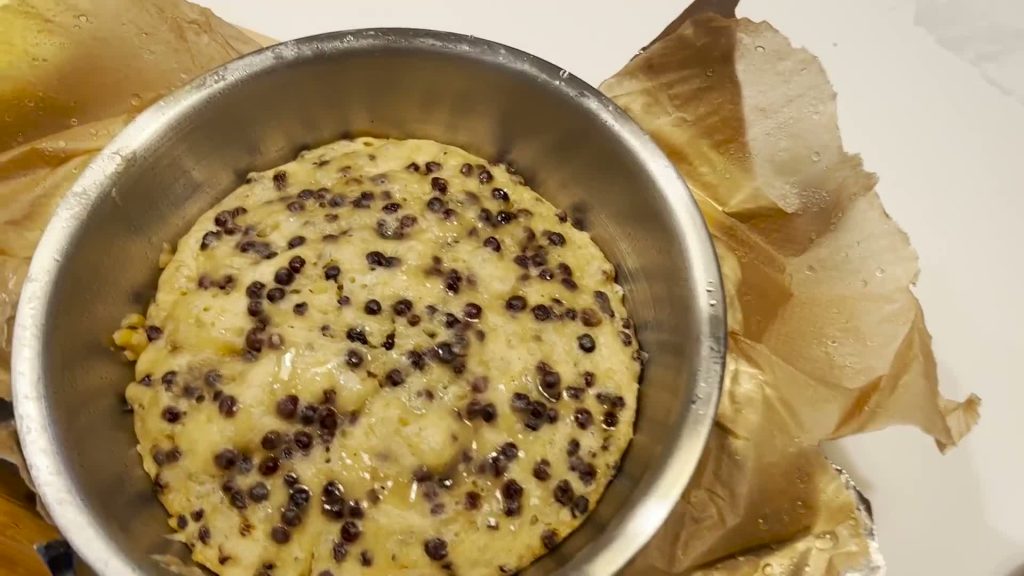
Then I covered it in custard. That was much better. The pudding didn’t have the most exciting flavour by itself, but it was so stodgy that it soaked up the vanilla custard, and together I really liked them. I hated admitting it after all that complaining, but the result was actually good. The Brits were never going to let me live this down.
This had been a more successful attempt than some of my other British baking projects. My next plan was to go and sit on the couch and eat the rest. Nobody could stop me.




No Comments