
Exploring Britain’s SECRET railway (NOT the Tube!)
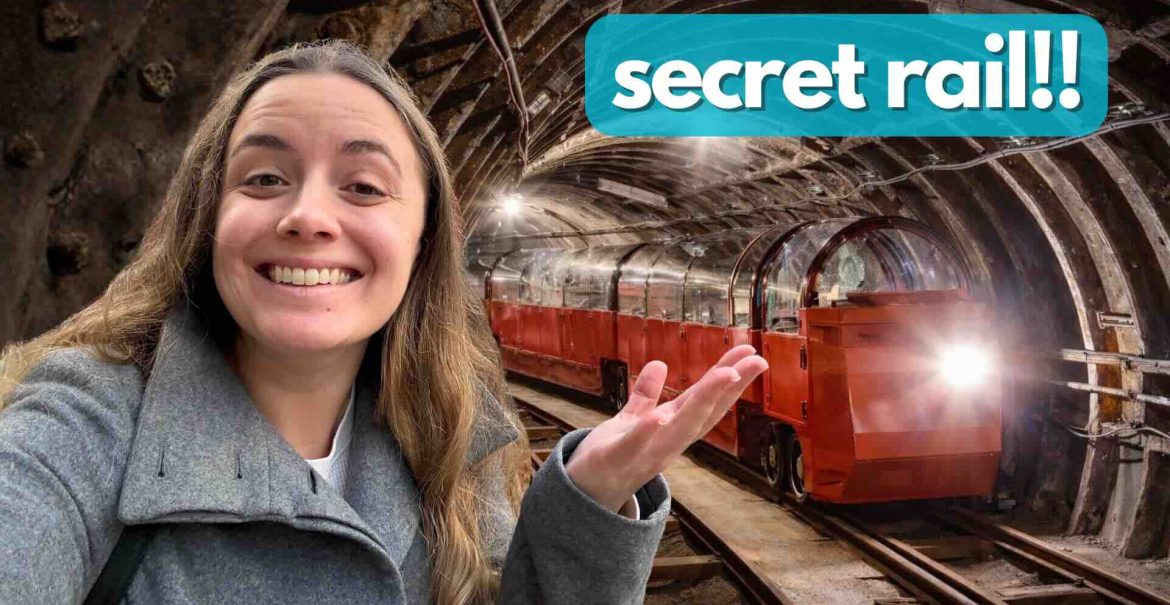
I booked a ticket to the Postal Museum because someone told me there was an underground train in London that wasn’t the Tube. I knew almost nothing else. I deliberately avoided looking up pictures because I wanted to discover it when I got there.
A postal museum didn’t immediately sound exciting, but a secret train was enough to get me out early. I was slightly worried this would turn out to be an activity for children, leaving me as the lone 32-year-old without one. I’d done that at the London Aquarium before. I could do it again.
Watch my Mail Rail visit on YouTube.
A railway built for the post
Mail Rail is the underground postal railway I rode at the museum. The recorded guide explained that its narrow-gauge trains originally carried mail rather than passengers. That helped explain why sitting inside felt a little cramped.
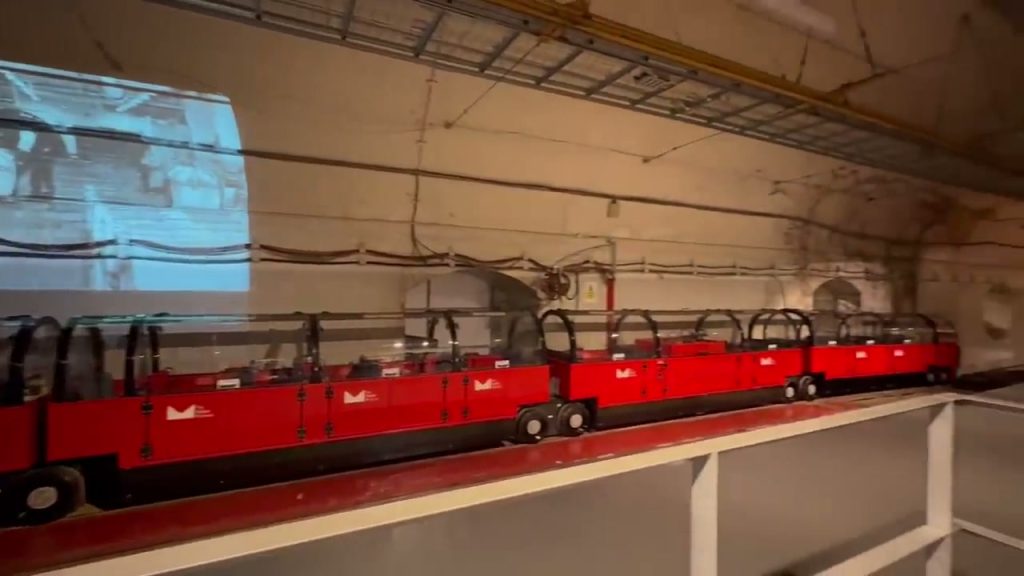
During the ride, the museum’s narration introduced an engineer called Ray, who said he’d spent 27 years keeping the trains running. He described the old platform as a busy workplace, with people moving the mail and playing darts between arriving trains. I liked having a way to learn about that railway beyond reading a board in a room.
The guide also told us that construction began in 1914, the railway opened in 1927 and it closed in 2003. Those were the dates given on the ride. The attraction takes you into the place where that work happened, which made postal history much more interesting to me than I’d expected.
I thought the ride was about 15 minutes long. It was very cool, but also stuffy and a bit claustrophobic. One part involved stopping on the track with the lights off, as though the power had gone. Sitting underground in the heat and quiet, apart from a couple of children, wasn’t my favourite moment.
That discomfort didn’t undo the experience. I had a really good time and wished more museums had a little underground ride that could teach you their history. Mail might not sound like the most thrilling subject, but this was a fun way into it.
A slightly awkward start
I did get into a little trouble while filming the train coming in. Another visitor and I were recording it, and a member of staff told us we weren’t allowed to film staff. My mistake. That was what I was told on this visit, and I apologised.
After the ride, I still had the main museum to explore. It was in a separate building down the street, near where I’d started, and by then I was hungry. Before going into the exhibition, I stopped at the cafe for a chicken Caesar salad and an apple juice. I chose the juice because the bottle had a resealable top.
The salad was good. Unfortunately, I was less enthusiastic about the part of the museum that followed it.
The exhibition felt much shorter
I walked through the exhibition in about nine minutes, which was unusually fast for me. There were things I enjoyed, especially the old post boxes. One had a colour the display called green but which looked like a lovely teal to me.
There were postal vehicles and magazine artwork too, and a post bus I’d never heard of. I also spotted a Sittingbourne and Canterbury reference, which felt like a rare appearance for those places in a museum. It wasn’t a room with nothing of interest. I just breezed through it much faster than I’d expected.
Part of the exhibition was closed for construction. I couldn’t tell how much was behind that barrier or what I’d missed, so my reaction can only cover the area I saw. I tried going upstairs to the archive as well, but it was closed. I didn’t find out whether it offered much to look at or was mainly reading space.
A visit with two very different halves
I remembered the ticket costing around £19 or £20, and the exhibition on its own didn’t feel worth that to me. Add Mail Rail and my opinion changes. The train was an interesting attraction and a memorable way to learn, even with the cramped carriage and the dark stop underground.
That left me with an odd overall judgement. The first half was excellent and the second half disappointed me, with some of the museum unavailable on the day. I was glad I’d gone for the railway. I just wish the rest of my visit had matched it.


No Comments