
The untold story of Britain’s witches

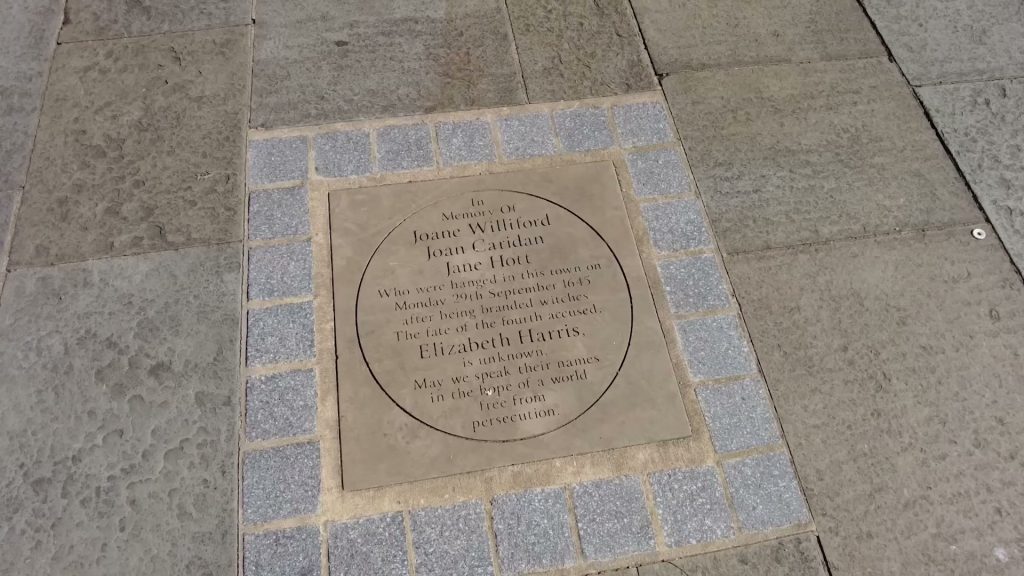
Witches make me think of Hollywood, spooky films and Hocus Pocus. A memorial in Faversham, Kent, makes that much harder. It names women who were hanged after people accused them of witchcraft. These were real people, killed in a real town.
Seeing names attached to that history brings it home for me. I wanted to learn more, so I watched part of a History Hit film about the Pendle witch trials. It wasn’t a story I already knew, and several parts of it were much more disturbing than the word “witches” might suggest.
An accusation became a much bigger story
In the film’s account, a confrontation between a young woman and a peddler began the events that led to the Pendle trials in 1612. He refused her request for pins and then collapsed. The historian interviewed in the film suggested that he probably had a stroke, while the story at the time treated his illness as the result of a curse.
The woman later begged for forgiveness, and the account describes that as an admission of witchcraft. The peddler’s son took the matter to a magistrate. From there, accusations spread, including between two local families with a longstanding rivalry.
I found it fascinating, but not in a reassuring way. The suggestion of a stroke made me wonder when people came to understand what a stroke was.
The confessions bothered me
I watch a lot of true crime, and false confessions are one of the things that frighten me about it. From outside a case, it’s easy to think you’d never confess to something you hadn’t done. I don’t think you can really understand that pressure until you’re in a frightening situation yourself.
The Pendle account is different from a modern police-station documentary, and I don’t want to pretend they’re identical. But hearing about admissions in this story brought that concern to mind.
Later, the film described an elderly woman denying an accusation and then breaking down under the evidence presented against her. Another woman faced testimony from her own nine-year-old daughter. Those accounts were grim.
The surviving places make it real
The film also visited Lancaster Castle and a cell traditionally associated with the accused. The museum manager described cold, wet conditions without sanitation, and the account said that one elderly woman died before reaching trial.
I haven’t been to Lancaster Castle. Seeing that a place connected with this history survives made me want to know what it’s like, though. I love that these pieces of the past have been preserved. I do not mean that I love what happened there.
That’s the same distinction the memorial in Kent makes for me. A named place and named people make the history feel less distant than a general story about witches. I hadn’t visited Pendle either, but I didn’t have to travel there to see evidence of women accused of witchcraft close to where I live.
This wasn’t make-believe
The account of public hangings also made me think about complaints that films and video games are too violent. People once gathered to watch real people die. I caught myself making that comparison and then stopped, because the subject is grim and the deaths aren’t funny.
Near the end, the History Hit film discussed how witch-themed shops and products can put the story back into the world of magic and fantasy. That matched the reaction I’d had at the beginning. Hollywood witches were the image in my head, but the plaque in Faversham records real women, with real names.


Francisco
If you’re interested in the history of witches in the UK, you might like these:
https://m.youtube.com/@FabulousFolklore/search?query=cunning
Francisco
I know that the BBC covered the Pendle witch trials.
You may also be interested in this video regarding Matthew Hopkins Witchfinder General:
https://m.youtube.com/watch?v=IsgqQSQgzvQ&pp=ygUdZm9yZ290dGVuIGFzc2hvbGVzIG9mIGhpc3Rvcnk%3D