
The KEY to Mental Health as a Foreigner in the UK
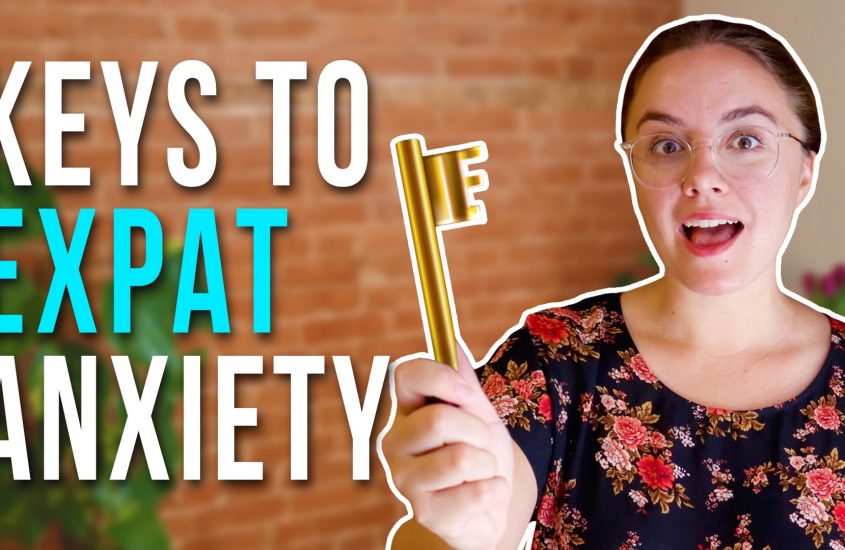
Moving to England was exciting, but the beginning was also overwhelming. There was a job to find, somewhere to live, people to meet and even a bus system to work out. I found that having so much to figure out made my anxiety worse. A new country hadn’t made the difficulties I’d brought with me disappear.
In my July 2022 video, after six years here, I wanted to talk about that side of living abroad. I felt it was too often glossed over online. I shared the things I did to look after myself, with a clear qualification: these were personal habits that helped me, not a cure or a doctor’s treatment plan.
Putting some things on paper
Journaling was one thing I found helpful, although I knew it wouldn’t appeal to everybody. I’d tried blank journals as well as structured ones. The one I was using then focused on gratitude, with a morning check-in about things I was grateful for, looking forward to or excited about.
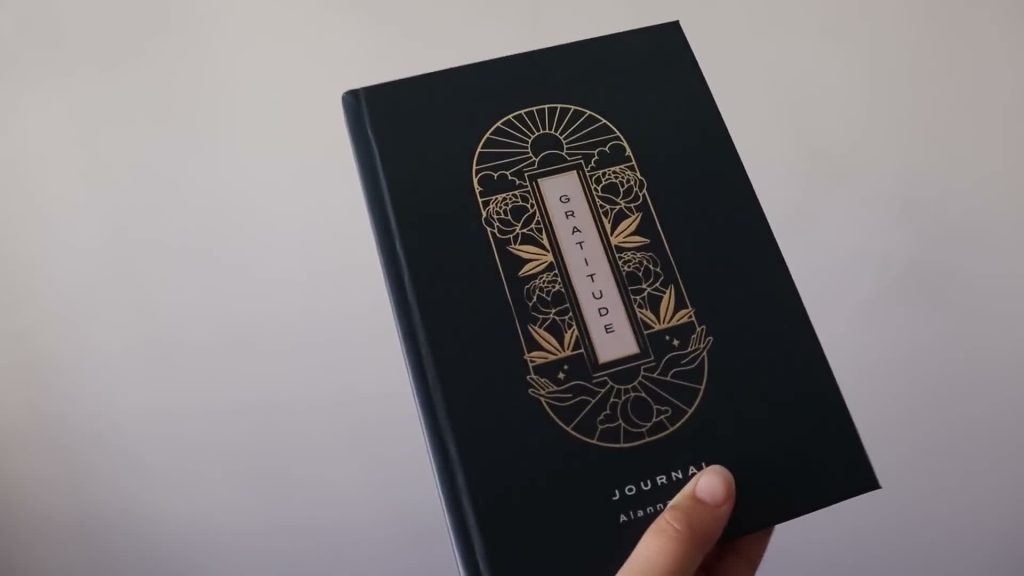
At night, I added what had gone well and what I’d been happy about. For me, that helped put some attention on the good things. The negative parts still existed. I wasn’t pretending they had vanished; I just didn’t want to give them quite so much power over how I felt.
Working from home changed my day
By then, I worked completely remotely. My office was in the flat, only about ten steps away, and I could get to my desk with almost no walking. Earlier in my time in England, taking the bus had meant walking to the stop, sometimes standing on a full bus and walking again to the office. My old commute had included movement without my having to plan it separately.
So I was deliberately trying to fit movement into my day. If I was busy, that could mean a 20-minute walk for some fresh air. I also loved weight training and was excited to make time for it. When I noticed my mental health had taken a downturn, I often found it had been a while since I’d exercised. That was a pattern I noticed in myself.
I’d also used a community pool to swim lengths after work and tried Pilates classes. The classes weren’t necessarily a chance to chat, but exercising alongside other people felt helpful, especially in the early days when I felt isolated or lonely. Being in a group had value for me even without a long conversation.
I preferred movement I could do outdoors. A walk or weekend hike let me get outside as well, and I found being in nature grounding when I was stressed and my anxiety was high. I liked having different options, including swimming, weights and a short run, rather than relying on only one kind of activity.
Meals and sleep needed attention too
Food made a noticeable difference to how I felt. I tried to eat a balanced diet without becoming obsessed with it. Meal planning helped me think about what I needed to eat and reduced the food I threw away because I hadn’t used it in time. Meal prep was a step beyond what I felt able to manage, so planning was the version I actually used.
Sleep was another part of the routine I tried to keep steady. I aimed to go to bed and get up at roughly the same times, including weekends and the period when I didn’t have a job. Flexible work hours didn’t stop me trying to maintain that pattern. I found it helpful.
My bedtime routine included brushing my teeth, some skincare and usually reading in bed for a while. I liked having a familiar sequence as I got ready for sleep. It was something that worked for me, rather than a claim that everybody needed to follow those same steps.
Habits weren’t the whole answer
I also said that lifestyle changes and positive daily habits might not be enough, and that was okay. I wanted people to be able to talk about what they were struggling with, whether that meant reaching out to friends or family, a listening charity or professional help. Talking could feel awkward at first, but I thought recognising that other people shared similar difficulties was comforting.
I mentioned speaking with a GP as a starting point. For current information, the NHS guide to accessing mental-health services explains that a GP can discuss your needs and help you find an appropriate service, and that some services also accept self-referrals.
After six years, I felt much more at home and less anxious than I had at the start. Less anxious wasn’t the same as having no anxiety. I was still making time for the things I found helpful, and I wanted to speak about the struggles without shame. Living in England had become easier for me, but looking after myself remained part of everyday life.
Watch my full July 2022 video about mental health while living abroad on YouTube.



No Comments